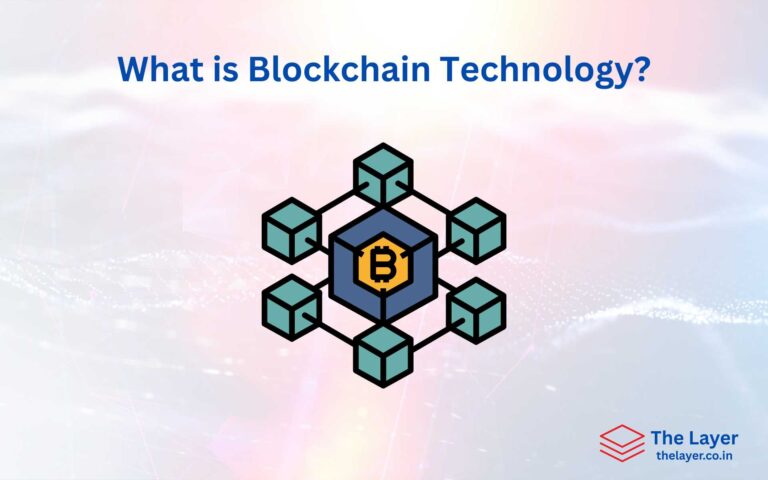



A blockchain is a decentralized ledger in which every transaction is recorded transparently and immutably. On this decentralized ledger, cryptocurrencies serve as a medium of account, just as a fiat currency and a central bank do.
For simplicity, a blockchain is the technology on which cryptocurrencies operate.
Table of Contents
Is cryptocurrency the same as blockchain?
No, a cryptocurrency is a medium of exchange, just like normal currency, whereas a Blockchain is a decentralized ledger of transactions, the transactions of cryptocurrencies.
A cryptocurrency is an asset that can be used to buy goods and services, such as coffee, gold, software, and almost anything else that can be bought.
A Blockchain is a decentralized ledger that keeps a record of each cryptocurrency transaction because transparency makes the transactions more trustworthy in an anonymous network.
Can blockchains exist without cryptocurrencies?
Yes, blockchains are not just limited to finance; they can be used for several different purposes that do not require a cryptocurrency.
For a Blockchain to exist without cryptocurrencies, transactions would have to be free because cryptocurrencies incentivize record verifiers (miners and validators). These record verifiers would have to be incentivized by other means, such as salaries or a pay-per-verification system.
Some of these applications already in use are:
- Medical Recordkeeping
- Digital Fiat Currencies (CBDC)
- Tokenization of Real World Assets
- Land Record Digitization
- Supply Chain Tracking
- University or School Score Records
Can cryptocurrencies exist without blockchains?
No, because a cryptocurrency needs a blockchain to function. Without a Blockchain, a cryptocurrency would just be a digital currency and need a centralized authority to work.
Is Blockchain the same as Bitcoin?
No, blockchain is the technology behind digitally distributed ledgers where cryptocurrency transaction records are stored, and Bitcoin is an application of this technology. Bitcoin is the first successful blockchain.
Frequently Asked Questions
What technology could replace Blockchains?
Hashgraphs could replace blockchains in the near future because they are highly scalable, offer the same or better security, and have a broader range of applications.
What are the 4 types of Blockchain?
The four types of Blockchains based on permission to join are public, private, consortium, and hybrid. The four types of blockchains, based on their operational niche: Layer 0 (base infrastructure layer), Layer 1 (the foundational layer), Layer 2 (the scaling layer), and Layer 3 (the application-specific layer).
Why is a Blockchain considered secure?
A Blockchain is considered secure because of its decentralization. It is spread across many computers worldwide, which means that even if some go down for any reason, the rest can still run the Blockchain.